Removing Trees That Threaten Property Safely
Tree Removal in Colorado Springs for hazardous trees, storm-damaged specimens, and structures at risk from declining canopies
Dead trees lose structural integrity rapidly in Colorado Springs, where freeze-thaw cycles break down wood fiber and create unpredictable failure points within trunks and major limbs. Tree removal addresses hazards before wind events or heavy snow load cause uncontrolled breakage that damages roofs, fences, vehicles, or utility lines. Wright Tree, Lawn and Landscape Care evaluates lean angle, root plate stability, and decay extent to determine removal methods that protect surrounding structures and landscape features during the process.
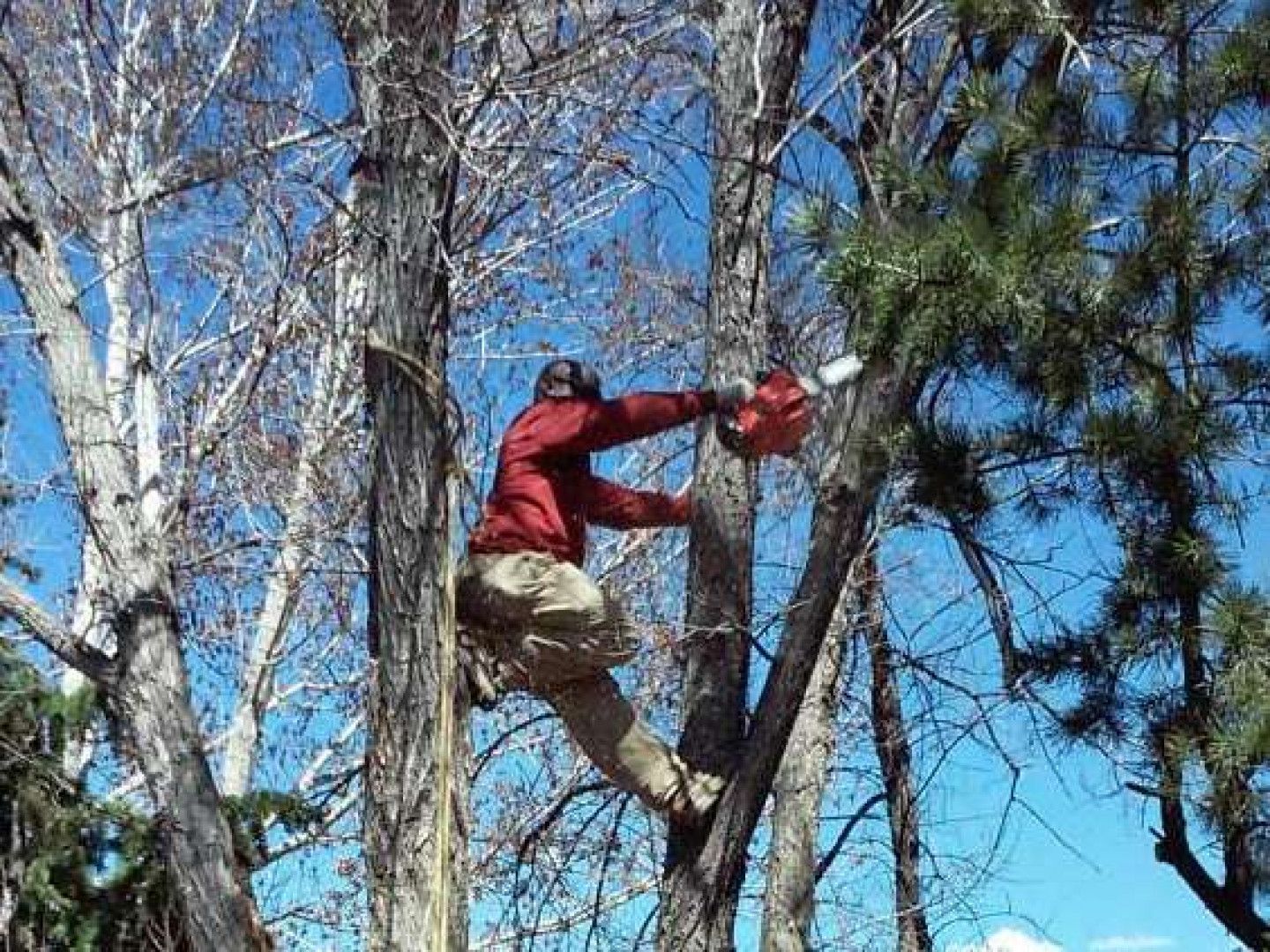
Removal involves rigging systems that control each section's descent, directional felling when space allows, and stump grinding to eliminate tripping hazards and prevent sprout regeneration from root systems. Trees located near buildings or power lines require piece-by-piece dismantling using ropes and pulleys that guide cut sections away from obstacles. The process accounts for underground utilities, irrigation lines, and hardscape that can be damaged by heavy equipment or falling debris if approach angles are miscalculated.
Request a detailed estimate based on tree size, location constraints, and debris removal requirements specific to your property layout.
Colorado Springs, CO 80919
Hours
- Mon - Sun
- -
Phone
How Tree Removal Addresses Site Safety
Removal starts with a drop zone assessment that identifies clearance requirements, fall paths, and potential obstacles that dictate whether sectional dismantling or directional felling is appropriate. Climbing gear or boom lifts provide access to upper canopy sections, allowing arborists to make precise cuts above tie-in points that prevent uncontrolled swinging. Chainsaw selection varies based on wood density and trunk diameter, with larger saws reserved for base cuts where torque and chain speed determine cutting efficiency through dense wood tissue.
Once removal is complete, you'll see eliminated falling hazards, restored clearance around structures, and improved sunlight penetration to understory plantings or turf areas previously shaded by dense canopies. The site is cleared of all wood debris, branches, and foliage, with stump grinding performed below grade to allow soil filling and turf establishment or replanting in the same location. Wright Tree, Lawn and Landscape Care removes all material from the property, leaving the area ready for immediate landscape restoration or construction projects.
Stump grinding depth depends on intended use of the area, with deeper grinding required for replanting trees in the same spot to avoid root interference from old wood decomposition. Wood chips generated during grinding can be spread as mulch or hauled away based on your preference. Root barrier installation may be recommended when removing trees with aggressive root systems near foundations, driveways, or sewer lines to prevent future conflicts with new plantings.
Answers to Frequent Service Questions
Removal decisions depend on tree condition, location risks, and whether preservation through treatment remains viable given the extent of decline or structural defects.
What indicates a tree needs removal rather than treatment?
Trees with more than fifty percent crown dieback, extensive trunk decay detected through resistance drilling, severe lean with exposed root plates, or large dead limbs overhanging structures typically warrant removal rather than attempting corrective care that won't restore structural integrity.
How is removal performed near power lines?
Work near power lines requires coordination with utility providers to de-energize lines when clearance falls below safe distances, with specialized rigging techniques that prevent branches from contacting conductors during descent and ground crews maintaining exclusion zones throughout the operation.
When is the best time to remove trees in Colorado Springs?
Removal can occur year-round, though frozen ground in winter complicates stump grinding and equipment access, while summer removals allow immediate replanting if desired, taking advantage of the remaining growing season for new tree establishment.
What happens to the wood after removal?
Wood is processed into firewood lengths, chipped for mulch, or hauled to disposal facilities depending on species, size, and whether the tree showed signs of disease or pest infestation that make reuse inadvisable for landscape applications.
How deep are stumps ground below surface?
Standard grinding extends eight to twelve inches below grade, sufficient for turf establishment, while deeper grinding to eighteen inches accommodates replanting trees or installing hardscape features that require stable substrate without decomposing wood interference.
Wright Tree, Lawn and Landscape Care provides transparent removal assessments that explain why specific trees present risks and what methods will be used based on site conditions and access limitations. Schedule an on-site consultation to evaluate trees of concern and discuss removal approaches that prioritize safety and property protection throughout the process.
Contact Us
Contact Us
We will get back to you as soon as possible.
Please try again later.